
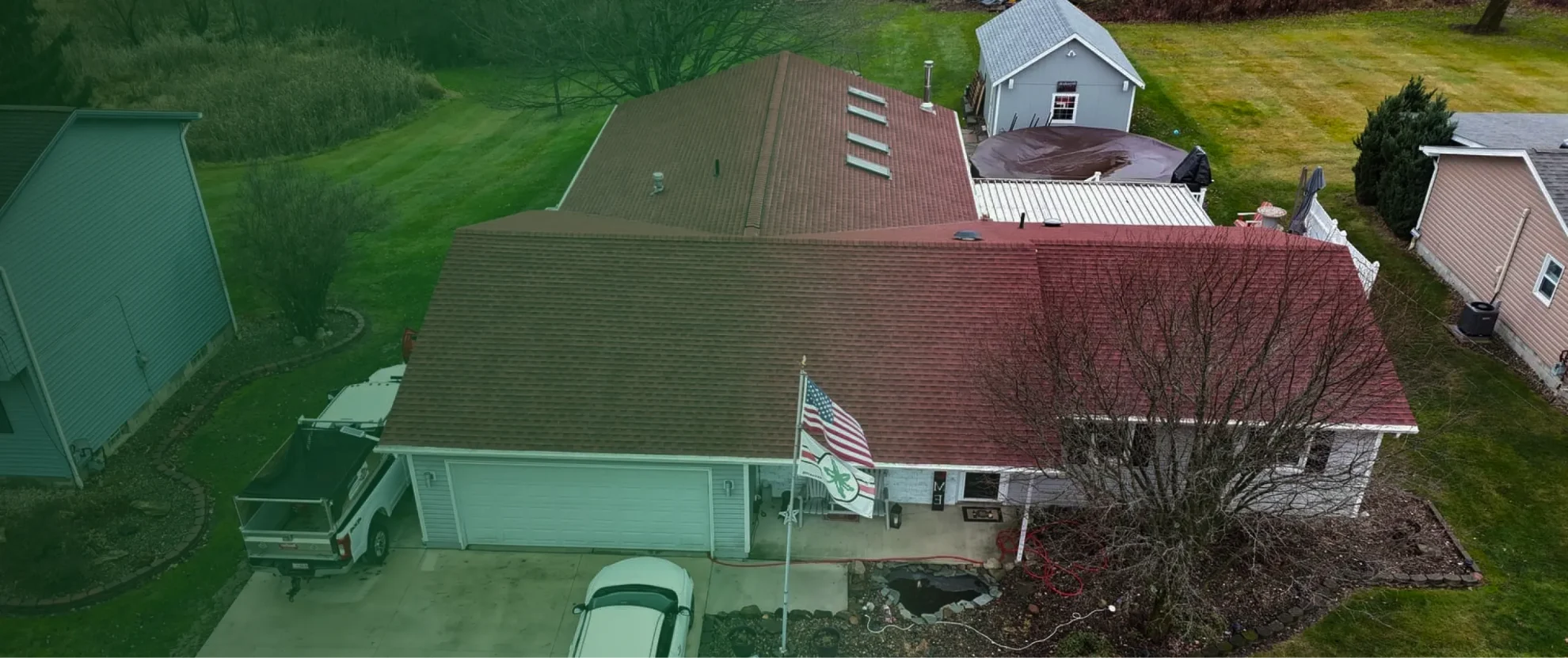
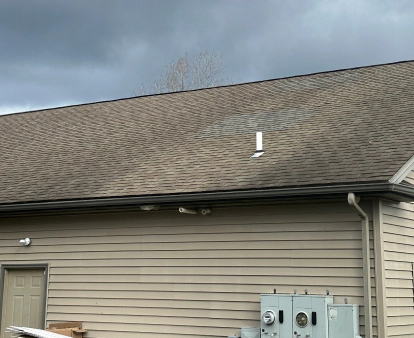
A strong roof starts with a clear plan. Roof installation is not just laying shingles. It is a structured system designed to protect your home or business from wind, rain, snow, and changing Ohio seasons.
If you are considering roof installation in Canfield, OH, understanding the full roof installation process helps you make smart decisions. Whether you need residential roof installation or commercial roof installation, knowing what happens at each step reduces stress and prevents costly mistakes.
This roof installation guide walks you through everything, from preparation to final inspection.
Why Roof Installation Matters
Your roof is your first line of defense. When roof installation is done correctly, it protects structural framing, insulation, drywall, and even your foundation from water damage.
In Northeast Ohio, heavy snow and freeze-thaw cycles create constant pressure on roofing systems. A properly executed new roof installation ensures your building meets safety codes and performs as designed.
Skipping steps or cutting corners often leads to leaks. If you already notice signs of damage, you may want to explore roof repair options to see whether repair or full replacement is the right move.
Step 1: Roof Inspection and Planning
Every successful roof installation begins with a detailed inspection. This determines whether you need a full tear-off and replacement or a targeted solution.
During the inspection, we evaluate:
- Shingle condition
- Roof decking integrity
- Flashing around chimneys and vents
- Attic ventilation
- Signs of storm or water damage
If storm damage is present, reviewing storm damage assessments and repair options can help you understand the insurance process.
Planning ensures the roof installation process moves smoothly without surprises.
Step 2: Selecting Materials for Long-Term Protection
Material choice directly affects performance. For most homes in Canfield, asphalt shingles are ideal for durability and weather resistance.
A quality roof installation includes:
- Asphalt shingles
- Ice and water shield
- Underlayment
- Drip edge
- Proper flashing
- Ridge ventilation
Ventilation is critical. Poor airflow causes heat buildup in summer and moisture in winter. That shortens roof life. Attic ventilation and fans help maintain proper airflow during residential roof installation and commercial roof installation projects.
If you are wondering how to install a roof correctly, it starts with choosing materials that work together as a system.
Step 3: Preparing Your Property
Preparation protects your landscaping and home exterior. Before roof installation begins, we:
- Cover shrubs and plants
- Move outdoor furniture
- Protect siding and windows
- Set up debris collection systems
- Secure safe ladder access
Inside the home, minor vibration is normal during tear-off. We suggest removing fragile wall items ahead of time.
Preparation keeps the roof installation process organized and safe.
Step 4: Removing the Old Roofing System
For a full new roof installation, the old shingles are removed down to the decking.
Layering new shingles over old ones may seem easier, but it hides damage and adds unnecessary weight. A proper tear-off allows us to inspect the structure underneath.
If decking damage is found, it must be replaced before moving forward. Skipping this step compromises the entire roof installation.
Step 5: Installing Underlayment and Ice Protection
Once the deck is secure, underlayment is installed. This acts as a secondary barrier against moisture.
In Ohio, ice dams are common. That is why ice and water shields are applied along eaves and valleys. If winter buildup becomes an issue, ice dam removal can help prevent further damage.
This stage strengthens the overall roof installation and protects vulnerable areas.
Step 6: Flashing Installation
Flashing directs water away from critical joints. It is placed around:
- Chimneys
- Roof valleys
- Plumbing vents
- Skylights
Improper flashing leads to leaks. Chimney flashing and caps help prevent recurring water intrusion.
During roof installation, flashing must be installed correctly to ensure long-term durability.
Step 7: Shingle Installation
Now comes the visible part of roof installation.
Shingles are installed in a staggered pattern to create a tight seal. Each row overlaps the previous one. This design sheds water efficiently and strengthens wind resistance.
Precision matters. Nail placement, alignment, and spacing all impact performance.
This is where many problems occur when shortcuts are taken. Following a structured roof installation guide prevents those errors.
Step 8: Ventilation and Ridge Cap Installation
Proper ventilation extends the life of your roof. Ridge vents or attic fans allow hot, moist air to escape.
Without ventilation, shingles age faster. Energy bills increase. Mold risk grows.
Integrating ventilation into the roof installation process ensures balanced airflow from intake vents to exhaust points.
Step 9: Cleanup and Final Inspection
A professional roof installation ends with cleanup and review.
This includes:
- Magnetic nail sweep
- Debris removal
- Gutter clearing
- Final structural check
If gutters are aging or damaged, gutter services help protect foundations and siding by managing water runoff properly.
Roof inspections and certifications are also important for documentation needs, especially during property sales or commercial transactions.
Residential Roof Installation vs. Commercial Roof Installation
While materials may vary slightly depending on structure size and slope, the foundation of roof installation remains the same.
Residential roof installation focuses on protecting families and maintaining curb appeal.
Commercial roof installation often involves larger surface areas and stricter documentation requirements. Property managers benefit from detailed inspections and structured project planning.
Both require disciplined workmanship and attention to code compliance.
Common Questions About Roof Installation
How long does roof installation take?
Most residential roof installation projects are completed within one to two days, depending on size and weather. Commercial roof installation may take longer due to scale.
What affects cost?
- Roof size
- Material selection
- Deck repairs
- Ventilation upgrades
- Flashing complexity
How do I know if I need installation instead of repair?
If damage is widespread or your roof is nearing the end of its lifespan, new roof installation is often more cost-effective long term.
The Importance of Proper Ventilation and Drainage
Roof systems work together. Shingles protect the surface. Underlayment blocks moisture. Ventilation controls airflow. Gutters manage runoff.
Ignoring one component weakens the entire roof installation.
That is why soffit and fascia repair and proper trim protection play a role in overall performance. Every detail matters.
Final Thoughts on Roof Installation
Roof installation is a structured process that requires planning, correct materials, and careful execution. From tear-off to final inspection, each phase plays a role in protecting your home or business.
If you are planning roof installation in Canfield, OH, understanding the full roof installation process helps you prepare, budget, and make informed decisions. Whether it is residential roof installation or commercial roof installation, following a clear roof installation guide ensures lasting results and code compliance.
At Clear Roofing and Siding LLC, we handle roof installation with discipline and attention to detail. As a certified GAF installer and certified ventilation specialist serving Canfield, OH, we focus on doing the job correctly the first time. If you are considering a new roof installation or need guidance on how to install a roof properly, call us at (330) 774-9093 to schedule an inspection and move forward with confidence.
Common Questions About Roof Installation
-
Common Questions About Roof Installation