
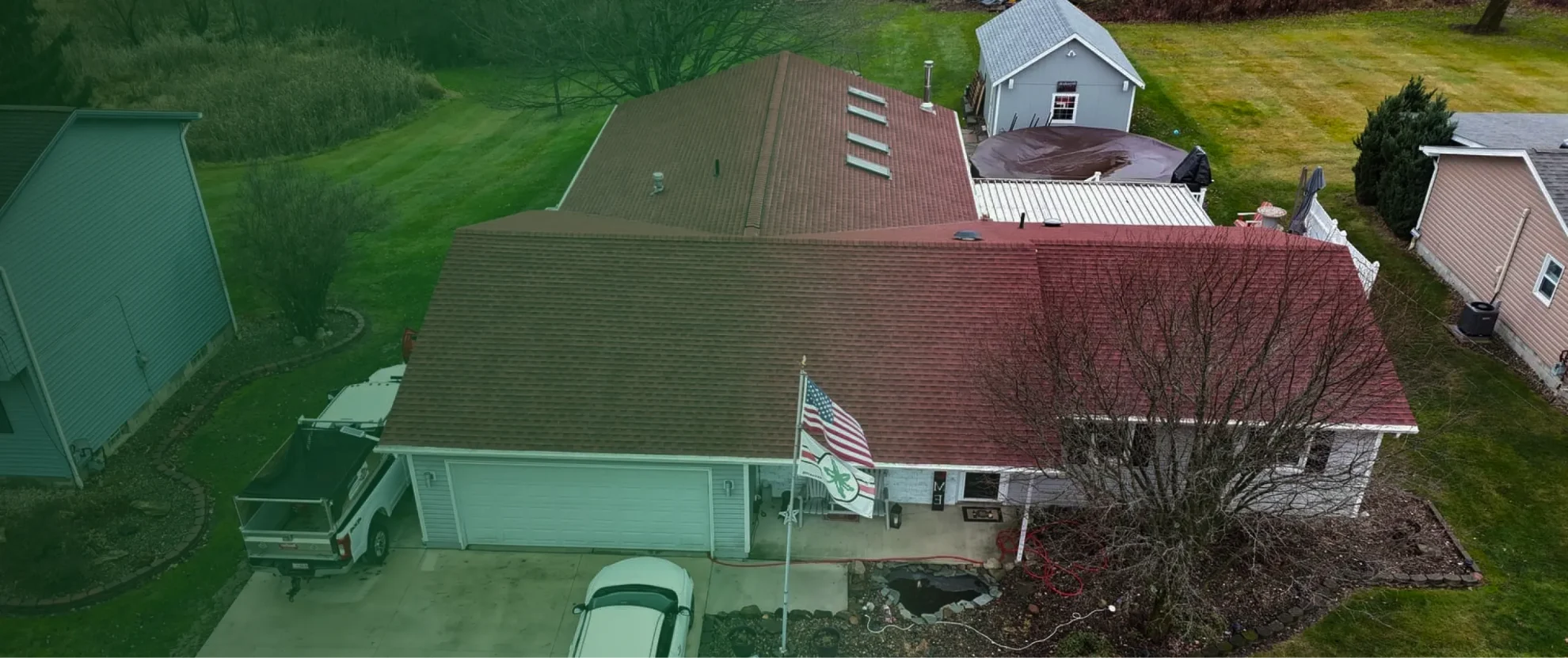
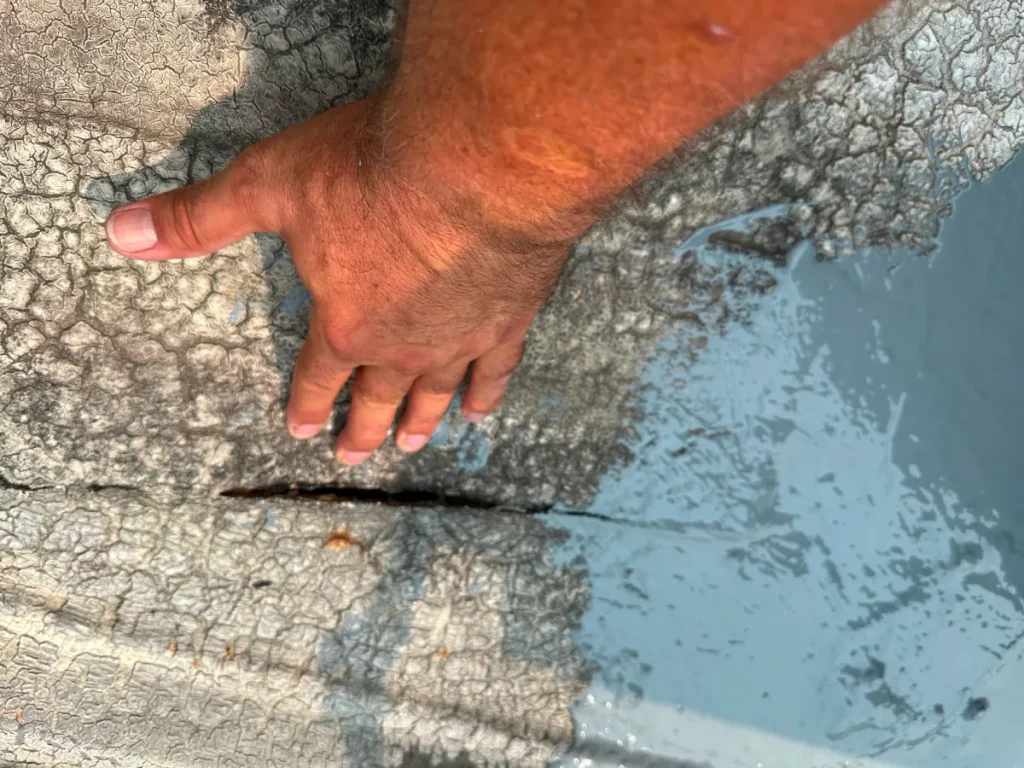
Check for Missing, Curling, or Damaged Shingles
Your shingles are the first line of defense when severe weather moves through Mahoning County. Start by walking around your property and looking up at the roofline from different angles. Missing shingles create immediate vulnerabilities where wind-driven rain can penetrate the underlayment and cause interior water damage.
Pay close attention to granule loss, which appears as dark or bare patches on the shingle surface. This indicates advanced wear and means the protective coating that shields against UV rays and moisture has deteriorated. Shingles that curl at the edges or appear lifted are particularly susceptible to wind damage during storms. Even a single compromised shingle becomes an entry point for water, and what starts as a small leak can quickly escalate into extensive structural damage once heavy rain arrives.
If your roof is more than a decade old or you notice multiple problem areas, document what you find with photos. These observations become important if you need to file an insurance claim after storm damage occurs.
Identify Gaps, Rust, or Separation in Metal Flashing
Flashing is the metal barrier installed around chimneys, skylights, roof valleys, and wall intersections. These transition points are where most leaks originate, yet they are frequently overlooked during routine home maintenance. Inspect the flashing carefully for any signs of rust, which indicates the protective coating has failed and the metal is deteriorating.
Look for gaps where the flashing has pulled away from the roof deck or vertical surfaces. Even separations measuring a quarter inch can allow significant water intrusion during the kind of heavy rainfall that typically accompanies spring and summer storms in the Youngstown area. Check that caulking or sealant around flashing edges remains intact and pliable, not cracked or missing.
Roof valleys, where two roof planes meet, channel large volumes of water during rainstorms. If valley flashing shows any compromise, water will find its way under the shingles and into the attic space. This type of damage often goes unnoticed until interior staining appears on ceilings or walls. Professional inspection services include detailed flashing assessment using industry-standard protocols that identify vulnerabilities before they become emergency repairs.
Remove Debris and Check for Structural Issues
Gutters play a critical role in directing water away from your foundation and preventing it from backing up under the roofline. Before storm season arrives, remove all leaves, twigs, and debris that have accumulated in the gutter channels. This is especially important in neighborhoods with mature trees, where organic material can create complete blockages within a single season.
Walk the perimeter of your home and check that gutter sections remain firmly attached to the fascia board. Sagging gutters indicate that hangers have failed or the fascia itself has deteriorated from moisture exposure. Look for visible cracks, rust spots, or separation at the seam joints where gutter sections connect. These weak points will worsen rapidly once heavy water flow begins during a storm.
Confirm that downspouts direct water at least five feet away from your foundation. If water pools near the house, it can seep into basement spaces or cause settling that affects structural integrity. Clogged or damaged gutters during severe weather force water to overflow, which often results in it running down exterior walls or backing up under shingles at the roofline edge.
Look for Rot, Warping, or Gaps Along the Roofline
Soffits are the horizontal panels that span the underside of your roof overhang, while fascia is the vertical board that runs along the roof edge. Both components protect the roof structure from moisture and pest infiltration. Walk around your home and inspect soffit panels for any signs of rot, cracks, or sections that have detached or gone missing.
Check fascia boards for warping, peeling paint, or soft spots when you press gently against the surface. These symptoms indicate moisture has penetrated the wood, which compromises structural integrity and creates pathways for water to enter the attic during storms. Damaged soffits allow wind-driven rain to access the roof deck and attic insulation, while also providing entry points for insects, squirrels, and birds.
Look carefully at the connection points where soffits meet the roofline. Gaps in these junctions allow water infiltration that accelerates wood decay and can lead to mold growth in attic spaces. The combination of spring humidity and summer heat in this region makes proper ventilation and sealed soffits particularly important for preventing long-term damage. If you notice multiple problem areas or extensive deterioration, professional assessment and repair prevents small issues from becoming costly structural problems.
Check for Moisture, Daylight, and Clear Airflow
Attic ventilation directly affects how well your roof withstands severe weather and how long your roofing materials last. Enter your attic during daylight hours and look up at the underside of the roof deck. If you see daylight coming through, it indicates gaps or damage that allow both air and water to penetrate. This becomes a serious problem when wind-driven rain accompanies storms.
Examine the roof deck for signs of moisture, including dark staining, water spots, or active mold growth. These conditions indicate that ventilation is inadequate or that existing leaks have gone undetected. The freeze-thaw cycles common in northeast Ohio winters, combined with poor ventilation, create ice dams that force water under shingles when temperatures rise.
Verify that ridge vents along the roof peak and soffit vents under the eaves remain clear and unobstructed by insulation or debris. Proper airflow prevents heat and moisture from becoming trapped, which accelerates shingle deterioration and creates conditions favorable for structural rot. Poor ventilation systems contribute to premature roof failure even when the shingles themselves appear intact from the exterior. When homeowners throughout the Canfield and Austintown areas face recurring moisture issues or shortened roof lifespans, inadequate ventilation is frequently the underlying cause. Professional roof ventilation certification ensures your system meets manufacturer specifications and building code requirements, which protects both your investment and your insurance coverage eligibility.