
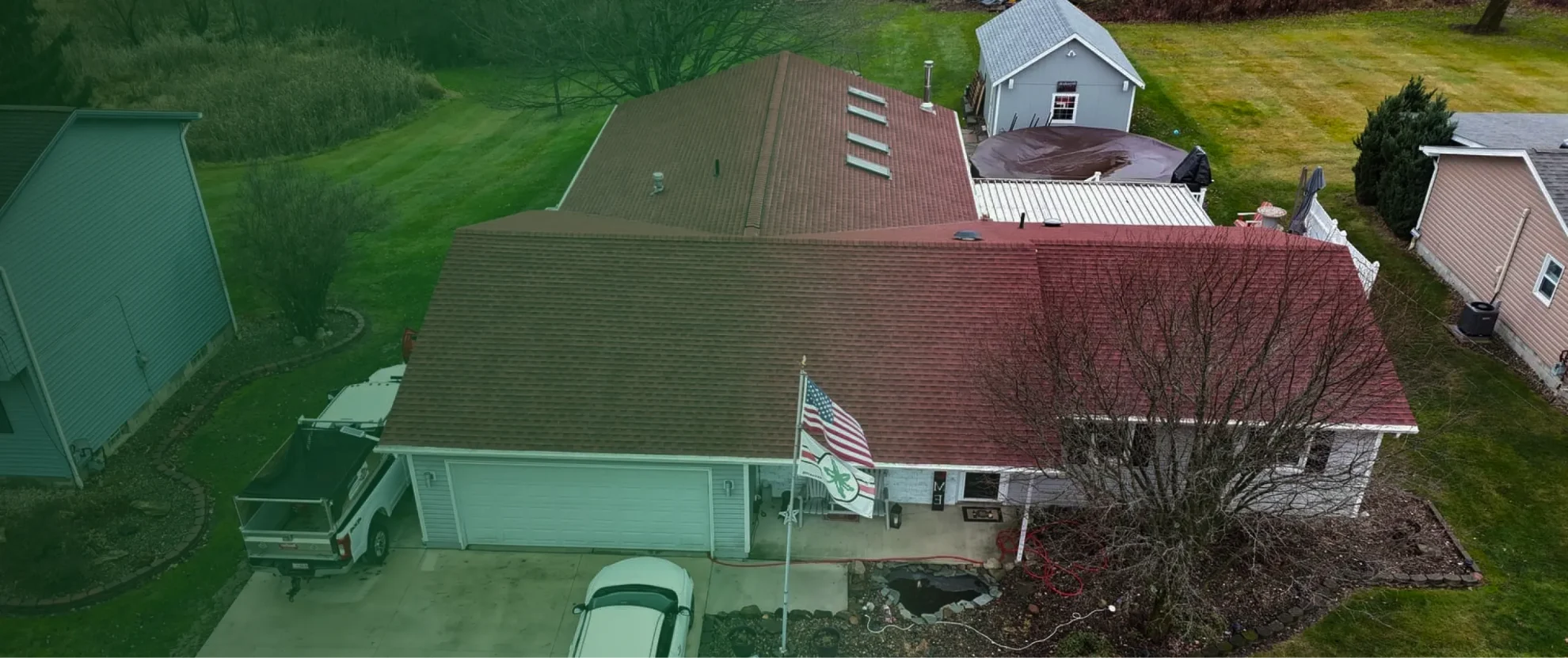
Your roof is your home’s first line of defense. It keeps your family and belongings safe through Ohio’s heavy snow, rain, and strong winds. But many homeowners still wonder how often to replace roof systems and what signs show it is time.
This guide explains how often you should replace a roof, how roof age affects timing, and what to look for before damage becomes serious. We also cover the roof replacement timeline, when to replace roof materials, and how long your home roof replacement should last.
How Often Should a Roof Be Replaced
How often to replace roof materials depends on the material, installation, and climate. In Canfield, OH, most homes use asphalt shingles, which last around 20 to 25 years when installed correctly.
| Roof Type | Average Lifespan | Notes |
| Asphalt Shingle | 20–25 years | Most common for local homes |
| Architectural Shingle | 25–30 years | Thicker and more durable |
| Flat Roof (Modified Bitumen) | 15–20 years | Used in commercial buildings |
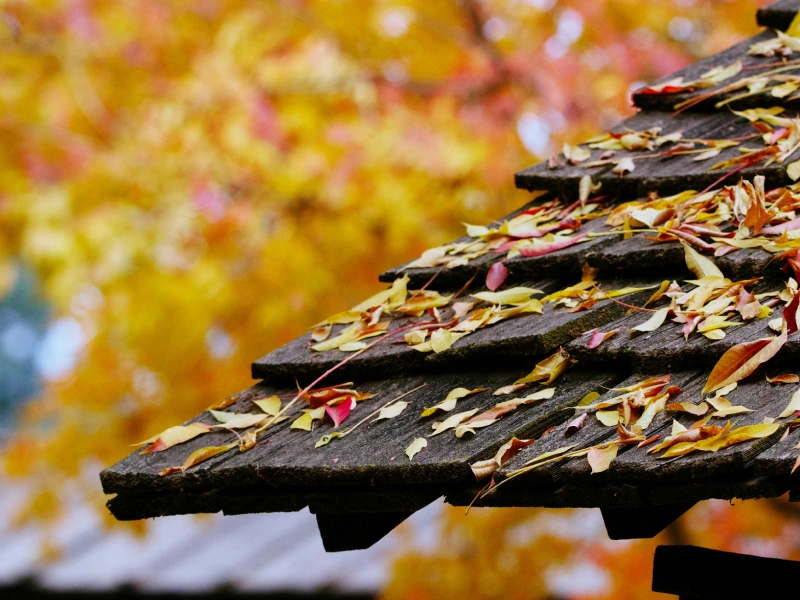
| Wood Shake | 20–30 years | Less common, higher maintenance |
If your asphalt roof is over 20 years old, start planning for a replacement soon. Even if there are no leaks, materials may already be deteriorating. A professional roof inspection can confirm whether your roof is still performing well.
Roof Age Replacement: Why It Matters
Every roof ages differently. In Northeast Ohio, freezing winters and hot summers cause materials to expand and contract. Over time, shingles lose granules and begin to curl or crack. This is when your roof age replacement plan becomes important.
If your roof is approaching its lifespan, here are smart steps to take:
- Schedule roof inspection and certification visits regularly.
- Ask about attic ventilation services to prevent trapped moisture.
- Replace your roof before leaks begin to damage your attic or siding.
Understanding roof age helps prevent emergency repairs later.
Signs You Need a New Roof
You do not have to wait for a major leak to realize your roof is wearing out. Look for these signs you need a new roof:
1. Missing or Broken Shingles
High winds often lift shingles. If you see gaps or bald spots, it may be time to plan a replacement or schedule a roof repair.
2. Curling or Cracked Shingles
Shingles that curl or crack have lost flexibility. Once they stop sealing properly, water can slip underneath and damage the underlayment.
3. Frequent Leaks or Water Stains
Ceiling stains or damp attic rafters point to water entry. You may need leak detection and repair for small areas, but ongoing leaks often signal the need for full replacement.
4. Moss or Dark Streaks
These growths hold moisture and break down shingles. Cleaning can help temporarily, but they often signal an aging system.
5. Sagging Roof Deck
A sagging roof indicates structural weakness. This requires immediate attention and usually leads to a replacement.
6. Damaged Flashing
If flashing around chimneys or vents has pulled away or corroded, water can easily enter. Chimney flashing repair may solve small issues, but extensive damage means it is time for a new roof.
How Often to Replace Roof After Storm Damage
Ohio’s strong winds and hail can shorten your roof’s life. After storms, check for:
- Missing shingles
- Hail dents
- Branch or debris impact
If you notice damage, call for a storm damage roof assessment. Proper documentation can help with insurance claims and prevent future leaks. Often, the roof replacement timeline speeds up after storm exposure, especially if shingles have lost granules or sealant.
Roof Replacement Timeline: Step by Step
A home roof replacement does not have to be complicated. Here is the general process:
- Initial Roof Inspection
A certified inspection identifies wear, ventilation issues, and structural concerns. - Estimate and Material Selection
You receive a detailed quote that includes tear-off, replacement, and ventilation adjustments. - Scheduling and Preparation
Weather and project size affect the start date. Most replacements start within a few weeks. - Tear-Off and Installation
Old shingles and underlayment are removed. New materials are installed with GAF-certified precision. - Final Inspection and Cleanup
Every nail, vent, and flashing detail is checked. The job is not complete until your roof meets safety standards.
Average duration:
- Residential roofs: 1–3 days
- Commercial roofs: 3–7 days
Pair your replacement with gutter services or fascia and soffit repair for complete roof system protection.
When to Replace Roof: Age and Condition Guide
Knowing when to replace roof materials keeps your home safe. Use this quick guide:
| Roof Age | Condition | Recommended Action |
| 0–10 years | Good | Schedule inspections every 2 years |
| 10–15 years | Fair | Watch for missing shingles or dark spots |
| 15–20 years | Worn | Prepare for replacement soon |
| 20+ years | Poor | Replace immediately |
By planning ahead, you avoid expensive structural repairs and protect your property’s value.
Maintenance Extends Roof Life
Regular maintenance delays how often you need to replace a roof. Use this checklist:
- Clean gutters twice a year or schedule gutter cleaning services.
- Keep tree branches away from your roof.
- Replace damaged shingles early.
- Maintain proper attic ventilation.
Routine care may add years to your roof’s lifespan and save you from early replacement.
Roof Ventilation and Longevity
Proper ventilation is essential to roof health. Without airflow, heat and moisture build up in your attic, causing shingles to age faster. A well-vented attic prevents mold, wood rot, and high energy costs.
Learn more about balanced airflow systems on our attic ventilation services page.
How Often to Replace Roof in Commercial Buildings
Commercial roofs have shorter lifespans because of their flat designs and exposure to pooling water. Plan to inspect them every 6–12 months. If your flat roof is over 15 years old, consider scheduling a roof inspection to evaluate wear and drainage.
Roof Replacement Cost Factors
Costs vary by roof size, material, and labor. However, delaying replacement almost always costs more in the long run. Once water damages your decking or insulation, the repair scope increases. Certified GAF installation ensures your roof is built to last and meet safety standards.
Summary: How Often to Replace Roof Systems
Let’s recap what homeowners in Canfield, OH, should remember:
- Asphalt roofs typically last 20–25 years
- Watch for signs you need a new roof such as curling shingles or leaks
- Plan ahead with roof replacement timelines to avoid urgent repairs
- Keep ventilation and gutters in good condition
- Hire qualified roofing contractors who follow building codes
Knowing how often to replace roof materials keeps your home safe and compliant year-round.
Trust Clear Roofing and Siding LLC
At Clear Roofing and Siding, we believe every project deserves careful attention and honest workmanship. We are certified GAF installers, Haag certified for roofing, and trained through the Vinyl Institute for vinyl installation. Our team proudly serves Canfield, OH, offering roof replacement, roof repair, and storm damage assessments with care and precision.
Call (330) 774-9093 today to schedule your roof inspection or replacement with a reliable local team that always does the job right.